
When most people think of a cleaner, they picture someone with a mop and a bucket showing up to scrub floors. For NDIS cleaning professionals, the reality looks very different. The job is part cleaning, part care work, part trusted relationship. It takes training, empathy, and the ability to read each home and each person you’re supporting.
This post takes you behind the scenes of a typical day for one of our NDIS cleaning team members in Sydney. The names and details are illustrative, but the routine, the mindset, and the care are real.
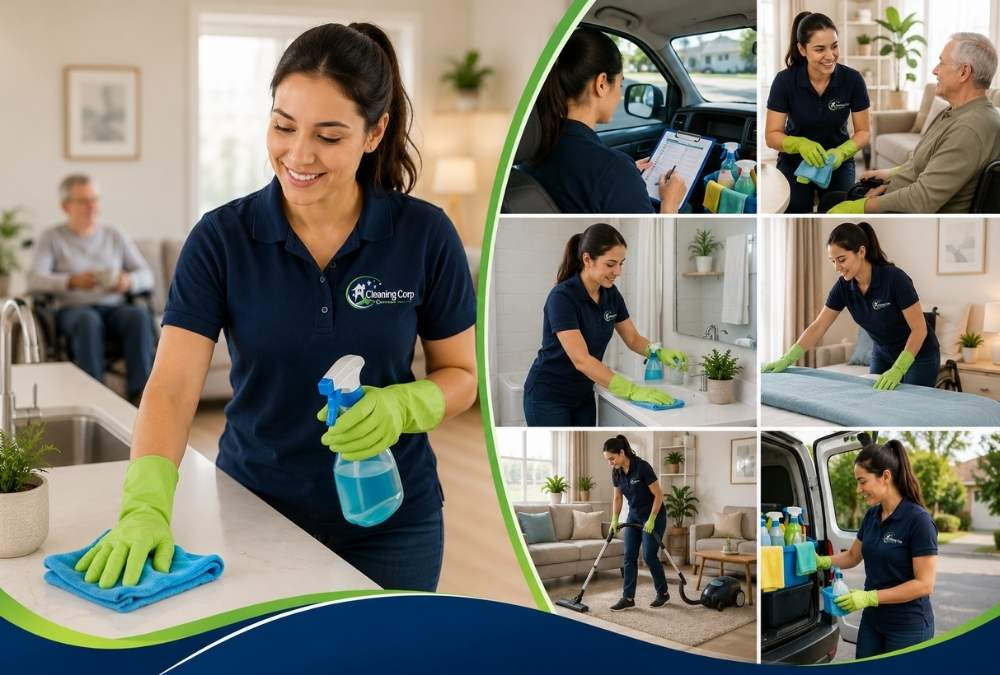
6:30 AM: The Day Starts Before the First Client
A good day begins with preparation, not panic. Before heading out, our team member, let’s call her Maya, checks her schedule for the day. She has three participants to visit, each with different needs.
She reviews any notes from her supervisor about changes or special requests. One participant has had a flare-up of asthma, so today’s cleaning needs extra attention to dust and allergens. Another has a new support worker visiting in the afternoon, so the team is asked to finish a little earlier than usual.
Maya checks her supplies. Microfibre cloths, eco-friendly cleaning products, gloves, vacuum, mop, and the participant-specific items she keeps separated for people with sensitivities. Everything is restocked from the night before.
By 7:30 AM, she’s in the van and on the way to her first visit.
8:00 AM: First Visit, Building Trust First
Maya arrives at her first home of the day. The participant, an older gentleman recovering from a stroke, opens the door slowly. She greets him warmly, by name, and waits for him to invite her in. Even though she’s been visiting for months, she never assumes.
This is one of the things that separates NDIS cleaning from regular cleaning. The home isn’t a job site. It’s someone’s private space, often the place where they spend most of their time. Walking in like you own the place isn’t just rude. It can be genuinely upsetting for participants who are sensitive to changes in routine or who value their independence.
Maya checks in. How is he today? Is there anything specific he wants done first? He mentions his daughter is visiting tomorrow and asks if she can give the spare bedroom extra attention. Maya makes a mental note and adjusts her plan for the visit.
Then she gets to work.
8:15 AM: The Clean Itself, Done with Care
Maya works through the home methodically. Kitchen first, because food prep areas need the most attention. She wipes down benches with a non-toxic disinfectant, cleans the stovetop, washes the dishes left in the sink, and mops the floor.
She moves to the bathroom, scrubbing the toilet, sanitising the sink, cleaning the shower screen, and replacing towels with fresh ones. Bathrooms matter especially for participants with mobility issues, since slip hazards and hygiene risks add up fast.
The living room gets a thorough vacuum, dusting, and tidying. Maya is careful to put things back exactly where she found them. For some participants, a misplaced remote or a moved photo frame is a real source of stress. Respecting personal arrangements is part of the job.
In the spare bedroom, she does a deeper clean as requested. Fresh linens, dusting, and a careful vacuum. She wants the daughter to walk in and feel welcomed.
Throughout the visit, she chats with the participant when he wants to chat, and works quietly when he doesn’t. She reads the room. Some days, he wants company. Some days, he wants to nap in his armchair while she works around him. Both are fine.
9:45 AM: Wrap-Up and Communication
Before leaving, Maya does a quick walk-through with the participant. Anything missed? Anything he’d like done differently next time? She’s not just being polite. Feedback is how the service stays good.
She updates her notes for the office: services completed, time on site, anything worth flagging. If she notices the kitchen tap dripping or a smoke alarm beeping, she records it. Sometimes these small observations get passed to the support coordinator and prevent bigger problems later.
She thanks him, confirms the next visit, and heads back to the van.
More Post:
- Why Regular Cleaning Improves Comfort, Dignity, and Wellbeing for NDIS Participants
- How Transparent Pricing Works with NDIS Cleaning Services in Sydney
10:30 AM: Travel and Reset
Sydney traffic is part of the job. Maya uses the time between visits to reset her tools, restock supplies if needed, and think through the next visit.
She also takes care of herself. Quick coffee, a snack, a stretch. NDIS cleaning is physical work, and pacing matters if you want to do the job well across a full day.
On the way to the next visit, she gets a call from the office. A weekly client has had a sudden hospital admission, and the visit needs to be rescheduled. Flexibility is part of the role. Plans change, and the team adapts.
11:00 AM: Second Visit, Different Needs Entirely
The second participant of the day is a young woman with autism who lives in a unit with her support worker. The needs here are completely different.
Routine is everything. Maya knows the order this participant prefers: bedroom first, then bathroom, then kitchen, then living areas. Doing it in a different order would be unsettling, and Maya respects that.
Sensory considerations matter too. No strong smells. No loud vacuuming during certain hours. Soft, neutral cleaning products only. Maya brings the specific brands that the participant tolerates well.
She works calmly and predictably. She greets the participant, lets her know what room she’s starting in, and gives a quick heads-up before turning on the vacuum. These small communications make a big difference.
When she finishes, the participant gives a quiet thumbs up. That’s the signal. Visit complete, and a good one.
12:30 PM: Lunch and Mental Reset
Maya stops for lunch in a quiet park. The job is more emotional than people realise. You’re invited into people’s private lives, you build relationships with them, and you carry their stories with you. Taking proper breaks isn’t optional. It’s how you stay sharp and caring through the whole day.
Some of the team members meet up for lunch when their schedules align. They swap stories, share advice, and check in with each other. There’s a real sense of shared purpose. Everyone in the team is doing this work because they want to help people, and that bond keeps morale strong.
1:30 PM: Third Visit, A Deep Clean
The afternoon visit is a one-off deep clean for a new client. The participant has been struggling to keep up with the home for a while, and the family has just signed up for NDIS cleaning support.
Maya has worked on many of these. She knows that the first visit is often the most important. Done well, it sets the tone for a long-term relationship. Done badly, it confirms every fear the participant had about letting strangers into their home.
She starts with respect. Acknowledges that letting someone clean your home for the first time can feel uncomfortable. Asks if there are any areas she should leave alone. Makes it clear that this is the participant’s home and the participant’s call.
Then she works methodically through every room. Kitchen, bathrooms, bedrooms, and living areas. She handles a few cluttered corners with care, asking before disposing of anything. She takes her time. Deep cleans aren’t about rushing.
By the end of the visit, the home looks transformed. The participant tears up a little. She says it feels like she has her home back.
This is why the job matters.
3:30 PM: End of Day Wrap-Up
Maya heads back to base. She cleans her equipment, restocks the van, and finishes her visit reports. Anything that needs follow-up gets flagged. Any feedback gets passed to the team coordinator.
She checks her schedule for tomorrow. A familiar weekly client is up first, then a new participant she’ll meet for the first time. She makes a note to read the new participant’s file in the morning, so she walks in informed.
By 4:30 PM, her workday is officially done. But the impact of it carries into the evening. Three homes are cleaner. Three people are more comfortable. One person feels like she has her life back.
More Posts:
- How NDIS Cleaning Services Can Help People With a Disability
- How To Find The Best NDIS Cleaners in Sydney NSW
What Makes This Job Different
NDIS cleaning isn’t a stripped-down version of commercial cleaning. It’s its own discipline. The skills our team develops include:
- Disability awareness and person-centred practice
- Reading sensory and emotional cues
- Communicating clearly and respectfully with all kinds of participants
- Working safely around mobility aids and medical equipment
- Following infection control protocols
- Adapting to different routines, preferences, and home setups
- Building long-term trust with the people they support
The cleaning itself is the easy part. The care is what takes time to learn.
The People Behind Cleaning Corp
Every member of our team is police-checked, trained, insured, and chosen for one main reason: they genuinely want to make a difference in the lives of NDIS participants. The technical skills can be taught. The empathy and reliability are what we hire for.
Our team members spend their days doing meaningful work in real homes, with real people. They build relationships, support independence, and quietly help participants live the lives they want to live.
If you’re an NDIS participant in Sydney looking for cleaning support that goes beyond a quick mop and run, we’d love to help.
Ready to meet our team? Contact Cleaning Corp today for your free NDIS cleaning quote.