
Pests are one of those home problems people don’t talk about much. A few ants in the kitchen. A cockroach spotted near the bin. A mouse heard in the walls. Most people deal with these moments and move on. But for NDIS participants, pest issues can be more than an inconvenience. They can directly affect health, safety, comfort, and the basic ability to feel at home in your own space.
This post explains why effective pest control matters specifically for NDIS participants in Sydney, what good NDIS-aligned pest control looks like, and how to access it through your plan.
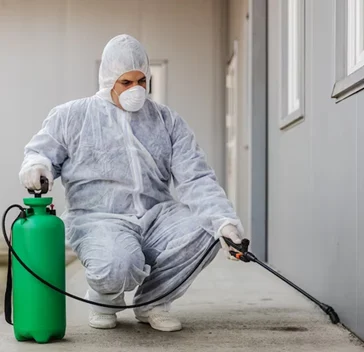
Why Pests Are More Than a Nuisance for NDIS Participants
For most healthy adults, an occasional pest is annoying but manageable. For NDIS participants, the impact can be much greater.
A few reasons:
Health vulnerabilities. Participants with weakened immune systems, respiratory conditions, allergies, or chronic illness are more affected by the diseases, allergens, and contaminants that pests bring with them.
Mobility limitations. Tackling a pest problem yourself requires moving furniture, accessing cupboards, climbing into roof spaces, or getting under appliances. For participants with mobility limitations, none of this is realistic.
Sensory considerations. Pest sightings, droppings, smells, or noises can be particularly distressing for participants with autism, anxiety, or sensory processing differences.
Mental health impact. Living with a pest issue, even a minor one, drains mental energy. For participants already managing depression, anxiety, or PTSD, that drain can be significant.
Limited capacity to address it. Many participants can’t easily call a pest control company themselves, compare quotes, or coordinate the visit.
For all these reasons, pest control isn’t a small support. For the right participant in the right situation, it’s a real part of staying safe, healthy, and independent at home.
Common Pest Issues in Sydney Homes
Sydney’s climate gives us beautiful living conditions, but the same conditions are great for pests. Common issues across Sydney homes include:
Cockroaches. Both German cockroaches (small, indoor) and Australian cockroaches (larger, often in subfloor and outdoor areas) are widespread. They spread bacteria, trigger allergies and asthma, and contaminate food preparation areas.
Ants. Some species are seasonal nuisances. Others establish indoor colonies that are harder to manage. Pharaoh ants in particular can carry pathogens and contaminate food.
Spiders. Most Sydney spiders are harmless, but a few (funnel-webs, redbacks) require careful management. Even non-dangerous spiders can be deeply distressing for participants with phobias or sensory sensitivities.
Rodents. Mice and rats are common, especially in older homes, garages, and properties near bushland or food sources. They damage property, contaminate food, and carry serious health risks.
Termites. A major structural risk for any home with timber elements. Damage can be severe and expensive if not caught early.
Wasps and bees. Outdoor nests near pathways and entryways are a real safety risk for participants with mobility limitations or allergies.
Bedbugs. Less common but increasing. Particularly distressing for participants with skin conditions, immune challenges, or sensory sensitivities.
Possums. Common in Sydney roofs. Protected species, so removal needs to be handled by qualified professionals.
Fleas. Often associated with pets, but can also come in from outdoor environments. Trigger allergic reactions and skin conditions.
Silverfish. Damage paper, books, photographs, and clothing. Often hidden in storage spaces.
Each of these has its own implications, and each calls for different control measures.
Health Risks Pests Bring Into the Home
The actual health risks pests pose are often underestimated. For NDIS participants, they’re worth taking seriously.
Bacterial contamination. Cockroaches, rodents, and flies spread bacteria like Salmonella, E. coli, and others. Food preparation areas are especially vulnerable.
Allergens and asthma triggers. Cockroach droppings, dust mite associations, and rodent dander are major asthma triggers. For participants with respiratory conditions, persistent pest issues can mean persistent symptoms.
Disease transmission. Rodents carry leptospirosis, hantavirus, and other serious diseases through their urine and droppings. Even minor rodent infestations can pose health risks.
Bites and stings. Spider bites, wasp and bee stings, and bedbug bites are direct safety risks. For participants with allergies or weakened skin healing, even minor incidents can become serious.
Skin reactions. Flea bites, mite reactions, and bedbug bites cause skin issues that can be especially difficult for participants with eczema, psoriasis, or other skin conditions.
Food contamination. Pests in pantries, kitchens, and food storage areas force food disposal and increase the risk of foodborne illness.
Mental health impacts. Long-term pest issues are exhausting, demoralising, and isolating. Participants often stop inviting people over, which deepens isolation.
These risks aren’t theoretical. They’re the practical reasons NDIS pest control deserves more attention than it usually gets.
Is Pest Control Funded Under the NDIS?
Pest control can be funded through the NDIS in some cases, particularly when pest issues directly affect the participant’s safety, health, or ability to live independently in the home.
The funding usually comes from “Assistance with Daily Life” within Core Supports. Like garden services, the principle is that the support must be reasonable and necessary in relation to the participant’s disability.
Funding is more likely to be approved when:
- The participant cannot manage the pest issue themselves due to their disability
- The issue affects their health, safety, or ability to live independently
- There’s no other ordinary household member who can reasonably handle it
- The cost is in proportion to the benefit
Some plan reviews flag pest control as worth confirming with the planner, especially if it hasn’t been part of previous plans but the situation now warrants it. Your support coordinator or plan manager can help confirm what your plan covers.
For self-managed and plan-managed participants, there’s usually flexibility within Core Supports to cover pest control where it’s clearly part of supporting independent living.
What Good NDIS-Aligned Pest Control Looks Like
Generic pest control companies focus on the pest. NDIS-aligned pest control focuses on the pest and the participant.
The difference shows up in several specific ways.
Health-conscious product choices. Standard pest control often uses harsh chemicals that linger in the home. For participants with respiratory conditions, allergies, immune challenges, or chemical sensitivities, this can cause more harm than the pests themselves. NDIS-aligned providers use lower-toxicity products, integrated pest management approaches, and targeted treatments where possible.
Awareness of vulnerable household members. Good providers ask about everyone in the home (children, older family members, people with health conditions, pets) and tailor their approach accordingly.
Clear communication. Participants and families know what products are being used, where, and what precautions to take. No surprises.
Disability-aware service delivery. Staff are respectful, patient, and attentive to participant needs. Sensory considerations, mobility limitations, and communication preferences are factored in.
Flexibility around the participant’s day. Visits are timed and structured to minimise disruption.
Proper coordination with NDIS plan management. Invoicing, documentation, and compliance with NDIS administrative requirements is built in.
Long-term thinking. Good NDIS pest control isn’t just one-off treatments. It’s ongoing prevention that keeps issues from coming back.
These differences matter. They turn pest control from a stressful, chemical-heavy event into a supportive, health-conscious service.
Treatment Options That Suit NDIS Participants
Modern pest control offers a range of treatment options. The right choice depends on the pest, the home, and the participant.
Baits and gels. Highly targeted treatments that pose lower risk to people and pets. Effective for ants, cockroaches, and some rodents. Often the preferred option for participants with health sensitivities.
Crack and crevice treatments. Products applied directly into hiding places rather than across open surfaces. Reduces overall chemical exposure in the home.
Mechanical and physical methods. Traps, sealing entry points, removing food sources, decluttering. These reduce pest pressure without chemicals.
Environmental modifications. Drainage improvements, ventilation upgrades, screen repairs, and similar changes that reduce pest attractiveness over time.
Lower-toxicity products. Plant-based and naturally derived products that work effectively without the chemical load of older synthetic options.
Spot treatments. Targeted applications only where needed, rather than broad spraying across the home.
Integrated pest management (IPM). A multi-step approach combining inspection, monitoring, prevention, and minimal treatment. The gold standard for sensitive environments.
A good NDIS pest control provider will recommend the gentlest effective approach, not the strongest available chemical.
Prevention: The Best Long-Term Strategy
Treatment matters, but prevention matters more. The strongest pest control approach for NDIS participants is one that prevents issues from happening in the first place.
Prevention strategies include:
Sealing entry points. Identifying and closing the gaps where pests get in, including under doors, around pipes, in cracked walls, and at roof junctions.
Reducing food and water sources. Sealed bins, fixed leaks, controlled food storage, and prompt cleaning of food spills.
Managing the outdoor environment. Keeping vegetation trimmed back from the house, controlling moisture in subfloors, and maintaining drainage.
Regular inspections. Catching issues early before they become infestations.
Monitoring high-risk areas. Kitchens, bathrooms, laundries, garages, and roof spaces all benefit from regular checks.
Coordinating with cleaning. Regular cleaning, decluttering, and waste management all reduce pest pressure naturally.
When pest control is integrated into ongoing home support rather than treated as an emergency fix, the long-term outcomes are dramatically better.
When to Call a Pest Control Service
Some pest issues need professional attention sooner rather than later. Worth calling a service when:
- You’ve seen the same pest multiple times in a short period
- You hear scratching, scurrying, or unusual sounds in walls or roof
- You find droppings, gnawed packaging, or other physical evidence
- Family members are getting bites, stings, or skin reactions
- You have a known structural pest concern (termites, possums)
- A pest issue is affecting your asthma, allergies, or other health conditions
- You’re moving into a new home and want a baseline check
- You’re seeing wasps, bees, or spider activity around entry points
Acting early usually means smaller, gentler treatments. Waiting until the issue is severe usually means more aggressive intervention.
How Cleaning Corp Approaches NDIS Pest Control
At Cleaning Corp, our NDIS pest control service is built around participant health, safety, and comfort.
We assess each home thoroughly before recommending treatment. We use lower-toxicity, health-conscious products as our default. We adapt our approach for participants with allergies, respiratory conditions, immune challenges, or chemical sensitivities. We communicate clearly about what we’re using, where, and what to expect afterward. We coordinate with the participant’s broader cleaning and home support where it makes sense. We provide clear, NDIS-compliant invoicing and work with plan managers as needed.
For participants who already use our cleaning services, pest control fits in seamlessly with the rest of the home support we deliver. For one-off pest issues, we make the process simple and respectful.We also have more services like ( House Cleaning, Window Cleaning, Kitchen Cleaning, Deep Cleaning, Bathroom Cleaning, Carpet Cleaning, Lawn Mowing and Garden Care, Pressure Cleaning, Pest Control, Removal services, Laundry Services, Hoarder Cleaning, Infection Control Cleaning, Rubbish Removal, Post-Hospital Cleaning, Move-In and Move-Out Cleaning ).
A Healthier, Calmer Home
Pests are stressful. Living with them is harder. For NDIS participants, the right pest control service does more than remove insects or rodents. It removes a source of anxiety, restores the feeling of being safe at home, and protects health in real, measurable ways.
If you’re an NDIS participant in Sydney dealing with a pest issue, or a family member or coordinator looking for support for someone who is, professional NDIS-aligned pest control is worth considering.
Ready for a healthier, pest-free home? Contact Cleaning Corp today for a free, no-pressure NDIS pest control consultation.