
Below is a complete blog post for the Cleaning Corp NDIS site. This one supports your NDIS Pressure Cleaning service line and targets searches around outdoor maintenance, slip hazards, and accessibility. The angle deliberately leans into safety and comfort rather than just aesthetics, which fits the NDIS audience better than a generic pressure cleaning post would.
The outside of your home does more than make a first impression. Driveways, paths, patios, decks, and entryways are part of how you live every day. They’re the surfaces you walk on, where mobility aids roll, where family gathers, and where you move between the inside and the outside world.
When these surfaces get dirty, mouldy, or slippery, they stop being safe and stop being usable. Slip hazards appear. Mobility aids struggle. Outdoor space becomes off-limits. And the home starts to feel smaller and less welcoming than it should.
This post explains why professional pressure cleaning is genuinely valuable for NDIS participants in Sydney, what it can address, and how it supports safety, comfort, and independence.
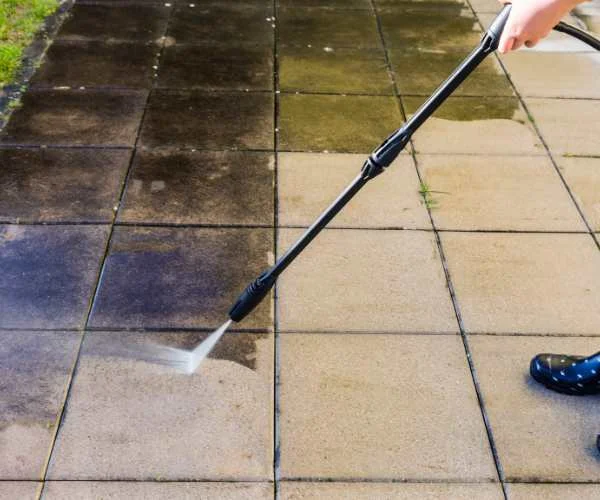
What Pressure Cleaning Actually Is
Pressure cleaning (also called pressure washing) uses high-pressure water to clean hard outdoor surfaces. Done well, it removes dirt, grime, mould, algae, moss, oil stains, bird droppings, and built-up biological matter that ordinary sweeping or scrubbing can’t shift.
The process works because of physics, not chemistry. Pressurised water dislodges and flushes away contaminants without the need for harsh chemical cleaners in most cases. For sensitive jobs or stubborn stains, eco-friendly cleaning solutions can be added.
Common surfaces that benefit from pressure cleaning include:
- Concrete driveways and paths
- Brick paving and pavers
- Tiled patios and outdoor entertainment areas
- Timber and composite decks
- External walls and rendered surfaces
- Stairs and outdoor steps
- Pool surrounds
- Fences and gates
- Outdoor furniture
- Garage floors
- Sheds and outbuildings
For NDIS participants, the surfaces that matter most are usually those affecting daily safety: paths, driveways, ramps, entryways, steps, and patios.
Why Outdoor Surfaces Get Dangerous Over Time
Sydney’s climate quietly works against outdoor surfaces. Humidity, regular rainfall, sun exposure, salty coastal air, leaf fall, and pollen all contribute to surfaces becoming dirtier and more slippery than people realise.
The main culprits behind unsafe outdoor surfaces include:
- Algae and moss. Green or black slimy growth on concrete, pavers, and tiles. Develops fastest in shaded, damp areas. Becomes extremely slippery when wet.
- Mould and mildew. Grows in cracks, on timber decks, and in any organic matter trapped on surfaces. Causes both slip hazards and air quality issues.
- Oil and grease stains. Common on driveways and around garages. Become especially slippery when rain hits them.
- Built-up dirt and grime. Accumulates in surface pores over time, dulling the finish and gradually reducing grip.
- Leaf matter and organic decay. Trapped in corners, between pavers, and under steps. Creates uneven, soft, and slippery patches.
- Bird droppings. Acidic, slippery, and unsightly. Common around verandahs, eaves, and outdoor entertainment areas.
- Salt residue. Particularly in beachside Sydney suburbs, salt builds up on outdoor surfaces and gradually affects grip and appearance.
These problems develop gradually. Most people don’t notice the change until something happens (a slip, a fall, a near-miss) or until guests point it out.
The Real Safety Benefit for NDIS Participants
For NDIS participants, the safety implications of dirty outdoor surfaces are bigger than they look.
- Reduced fall risk on paths and entryways. Falls are one of the leading causes of injury and hospitalisation for older Australians and people with disability. Slippery outdoor surfaces are a major contributor. Pressure cleaning removes the algae, moss, and grime that make surfaces unpredictable.
- Safer mobility aid use. Wheelchairs, walking frames, and rollators all rely on consistent surface grip. A driveway covered in algae or a path layered with leaf grime is significantly less safe for mobility aid users. A clean surface restores predictable traction.
- Better access for support workers and visitors. Cleaner outdoor spaces are safer for everyone who comes to the home, including family, support workers, allied health professionals, and emergency responders.
- Reduced trip hazards. Built-up grime can make surface variations harder to see. Cracks, raised edges, and changes in level become more visible after pressure cleaning, which means they can be addressed properly or simply seen and avoided.
- Improved visibility of safety features. Painted lines, accessibility markings, and grip strips often disappear under accumulated dirt. Pressure cleaning restores their visibility and effectiveness.
- Cleaner ramps and accessible paths. For participants who rely on accessibility infrastructure, keeping ramps and paths clean is part of basic home safety.
These benefits aren’t dramatic. They’re the kind of small daily safety improvements that quietly prevent the bigger problems that end in hospital visits.
Comfort and Wellbeing: The Often-Forgotten Benefit
Beyond safety, clean outdoor spaces support wellbeing in ways that genuinely matter.
Outdoor space becomes usable again. Patios that have been written off as too dirty to enjoy become places to sit, eat, and relax outdoors. For participants who don’t get out of the house easily, having a clean usable outdoor space is a real quality-of-life upgrade.
The home looks cared for. A clean exterior signals that the home is well-maintained. For participants who feel self-conscious about how their home looks, this matters.
Visiting becomes easier and more pleasant. When the outside of the home looks good, participants are more likely to invite people over and host outdoor gatherings.
Mental wellbeing improves. Visible care in the outdoor environment supports mental health, just as it does inside the home. A neglected exterior quietly drains mood. A clean one quietly lifts it.
Accessibility-related anxiety reduces. For participants with mobility limitations, knowing the outdoor surfaces are safe reduces the constant low-level anxiety about navigating them.
Outdoor activities become possible again. Gardening, sitting in the sun, watching grandkids play, having a barbecue. All of these get easier when the outdoor space is properly maintained.
The combination of safety and comfort makes pressure cleaning surprisingly valuable for NDIS participants who use their outdoor spaces in any meaningful way.
Health Considerations: Mould, Allergens, and Air Quality
Some NDIS participants benefit from pressure cleaning specifically for health reasons.
Mould reduction. External mould doesn’t stay outside. Spores travel into the home through doors, windows, and ventilation. For participants with respiratory conditions, asthma, or allergies, reducing external mould improves indoor air quality too.
Allergen reduction. Pollen, mould spores, and other allergens accumulate on outdoor surfaces. Pressure cleaning removes the buildup before it becomes a problem.
Pest reduction. Cockroaches, ants, and other pests are attracted to dirty, damp surfaces. Cleaner outdoor areas reduce pest pressure.
Hygiene around food and entertaining areas. Outdoor dining tables, BBQs, and entertainment areas need genuinely clean surfaces. Pressure cleaning resets these properly.
Reduced bacteria and biological matter. Bird droppings, animal urine, and organic decay all leave bacterial residue. Pressure cleaning removes the biological load that builds up over time.
For participants with immune challenges, allergies, or respiratory conditions, the air and surface quality of the outdoor environment is part of the broader picture of home health.
More Posts:
- NDIS Cleaning Care Serves Sydney’s Diverse Disability Community
- Local Expertise Makes a Difference in NDIS Cleaning Services
What’s Typically Included in NDIS Pressure Cleaning
A good NDIS pressure cleaning service usually covers:
- Driveway cleaning
- Path and walkway cleaning
- Patio and outdoor entertainment area cleaning
- Step and stair cleaning
- Ramp cleaning for accessibility
- Pool surround cleaning
- Deck cleaning (with appropriate pressure for timber and composite materials)
- External wall and rendered surface cleaning
- Garage floor cleaning
- Outdoor furniture refresh
- Fence and gate cleaning
Specific services vary by provider. A good NDIS provider will assess the property, recommend an appropriate scope, and explain what makes sense for the participant’s specific needs and funding.
How Often Should NDIS Pressure Cleaning Happen?
Like other outdoor services, pressure cleaning isn’t usually a weekly task. Common schedules include:
Annually. A solid baseline for most homes. Once a year, usually in spring before summer use, keeps surfaces in good shape.
Every 6 months. Recommended for homes in particularly damp, shaded, or coastal areas where mould and algae develop faster. Also useful for participants who use their outdoor space frequently.
Quarterly. For specific high-need situations: heavy tree cover, near-constant shade, properties with significant outdoor traffic, or specific health concerns about mould.
One-off as needed. Useful before major events, when something specific has happened (oil spill, mould outbreak, extreme weather), or when a participant moves into a new home.
A good provider will help you work out the right schedule based on your home’s exposure, your needs, and your funding.
When Pressure Cleaning Should Be Combined with Other Services
Pressure cleaning often makes the most sense as part of a broader outdoor maintenance plan.
It pairs well with:
Lawn mowing and garden services. Cleaning the paths and patios when the lawn is also being maintained creates a properly cared-for outdoor space.
Indoor cleaning. Some providers offer combined indoor and outdoor service days, which is efficient and reduces total disruption.
Window cleaning. Pressure cleaning often kicks up debris that ends up on windows. Cleaning windows afterward delivers a fully reset outdoor look.
Gutter cleaning. Gutters and exterior surfaces are connected. Cleaning one without the other often misses the bigger picture.
Pre-event one-offs. Birthdays, family gatherings, holidays, and significant occasions often justify a one-off pressure clean to get the home looking its best.
A good provider will help coordinate these services so the participant gets a properly maintained home rather than a fragmented set of tasks.
How NDIS Pressure Cleaning Differs from Standard Pressure Washing
A generic pressure washing service treats the property as a job site. Show up, blast everything, leave. Done.
NDIS-aligned pressure cleaning is different in several specific ways.
Awareness of the participant. Staff understand they’re working at someone’s home and respect the participant’s day, routine, and preferences.
Disability awareness. Mobility aids, accessibility features, and participant safety all factor into how the work is done.
Flexibility on scheduling. Visits are timed to suit the participant rather than the provider.
Eco-friendly approach where possible. Lower-impact products and methods are used to support participants with health sensitivities.
Clear communication. Participants and families know what’s happening, when, and why.
Coordinated invoicing for plan managers. Compliance with NDIS administrative requirements is built in.
Respect for the home overall. Garden beds, outdoor furniture, and other surroundings are protected during the work.
The work itself is the same kind of pressure cleaning anyone would do. The difference is in how it’s delivered.
More Posts:
How Cleaning Corp Approaches NDIS Pressure Cleaning
At Cleaning Corp, our NDIS pressure cleaning service is built around the same priorities as our indoor cleaning work.
We use professional-grade pressure cleaning equipment that delivers genuine results, not surface refresh. We use eco-friendly cleaning solutions where additional cleaning is needed. We assess each property individually so we use the right pressure for each surface (timber, brick, concrete, and tile all need different approaches). We coordinate with other services where it makes sense. We work cleanly and respectfully so the participant’s day isn’t disrupted.
For participants with specific accessibility, health, or safety concerns, we adapt the service to fit. The goal is always a safer, more comfortable, more usable outdoor space, not just a cosmetic clean.
Safer, More Comfortable Outdoor Living
The outdoor parts of your home matter more than they get credit for. Safer paths. Cleaner patios. Mould-free decks. Driveways that are easier to walk and roll across. Outdoor spaces that feel cared for and welcoming.
For NDIS participants, professional pressure cleaning is one of the simpler, higher-impact ways to improve the safety and comfort of daily life at home.
If you’d like to talk through how NDIS pressure cleaning could support your home in Sydney, we’re here.
Ready for safer, cleaner outdoor spaces? Contact Cleaning Corp today for a free, no-pressure NDIS pressure cleaning consultation.